
The smooth feel of a luxury car comes from its ability to soak up road bumps. This is only possible because of a high-performance air suspension system. However, when these parts start to wear out, that soft ride disappears. You might notice sagging corners, rough bumps, and annoying dashboard lights. For car owners and mechanics, the main task is not just finding a problem, but figuring out exactly which part is damaged. At VNG, we have spent more than 18 years making top-tier air suspension products. We provide OEM-quality replacement air suspension parts for a wide range of premium European and luxury vehicles, covering hundreds of OE references for brands including Mercedes-Benz, BMW, Audi, Land Rover, Porsche, Volkswagen, Jaguar, Bentley, Rolls-Royce, Lexus, and Volvo. Choosing the correct replacement air suspension parts begins with identifying the actual failed component rather than replacing parts by guesswork. This guide explains the most common air suspension failure symptoms. It will help you decide if you need a new VNG air spring, compressor, or valve block to fix your vehicle quickly.
Understanding Common Air Suspension Failure Symptoms
Vehicle Sagging and Low Ride Height
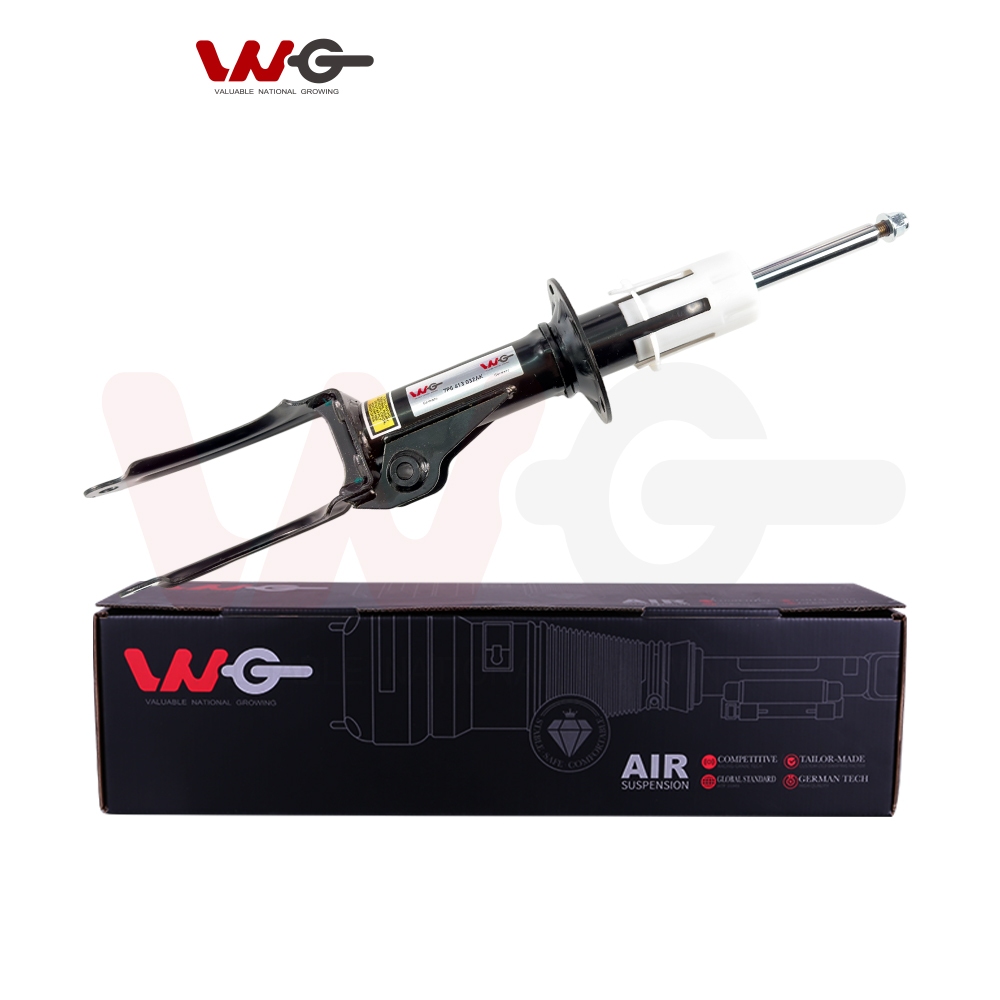
One very clear sign of a problem is when your car sits too low on one side. This often happens after the car sits for a few hours, which people call “leaking overnight.” If the front or back of the car has dropped down, air is likely leaking out. At VNG, we build our air springs to stay strong under high pressure. One corner sinking is commonly caused by a leaking air spring or air strut, but it may also result from a leaking air line or an internal valve block fault.
The Air Suspension Warning Light
Modern luxury cars use smart sensors to check the air suspension system. If the car does not reach the right height fast enough, the Electronic Control Unit (ECU) will show a warning. This light is a warning that something is wrong. In many cases, the warning light indicates that the system cannot maintain the target ride height. Possible causes include air leaks, compressor inefficiency, valve block malfunction, ride height sensor faults, or electrical issues.
Unusual Noises During Operation
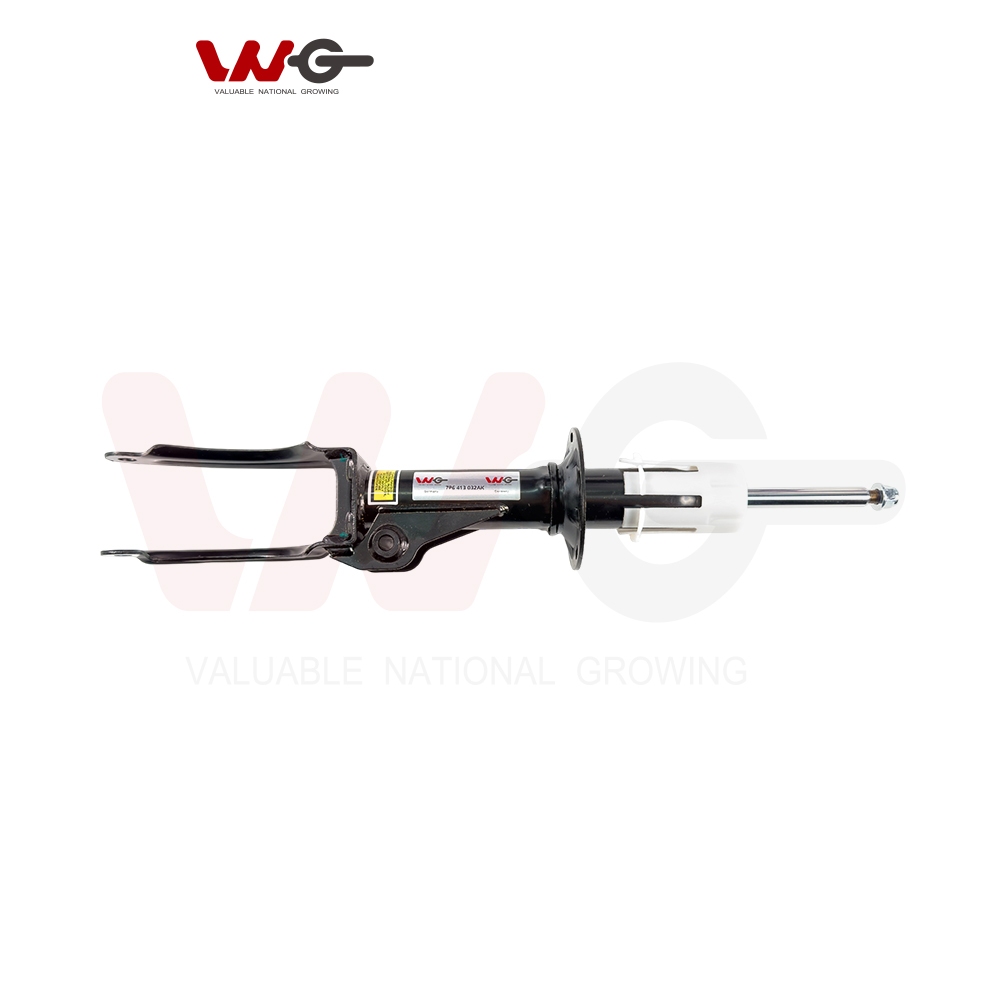
A good suspension should be quiet. If you hear humming, clicking, or grinding from the wheels or trunk, the parts are likely failing. A loud vibrating sound often means the air compressor is worn or its mounts are damaged. Also, a “clunking” noise when hitting bumps might mean the VNG shock absorber has internal damper failure, even if the air spring still holds air.
How to Identify Bad Air Suspension Parts
Signs of a Bad VNG Air Spring
The air spring is made of flexible rubber, so it wears out over time. Road salt, dirt, and constant movement cause the rubber to crack or rot. A bad VNG air spring often makes the car lean when it is parked. You can check for this by looking at the rubber for cracks or listening for a “hissing” sound after you stop the engine.
Diagnosing a Failing VNG Compressor
The air suspension compressor supplies compressed air to maintain the specified ride height. It supplies compressed air to the air springs through the valve block. A common sign of trouble is the “air suspension compressor running constantly.” The air suspension compressor does this to try and fix a leak in another part. If the compressor fails completely, the suspension may no longer be able to build sufficient air pressure, preventing the vehicle from returning to its normal ride height.
Testing the VNG Air Valve Block
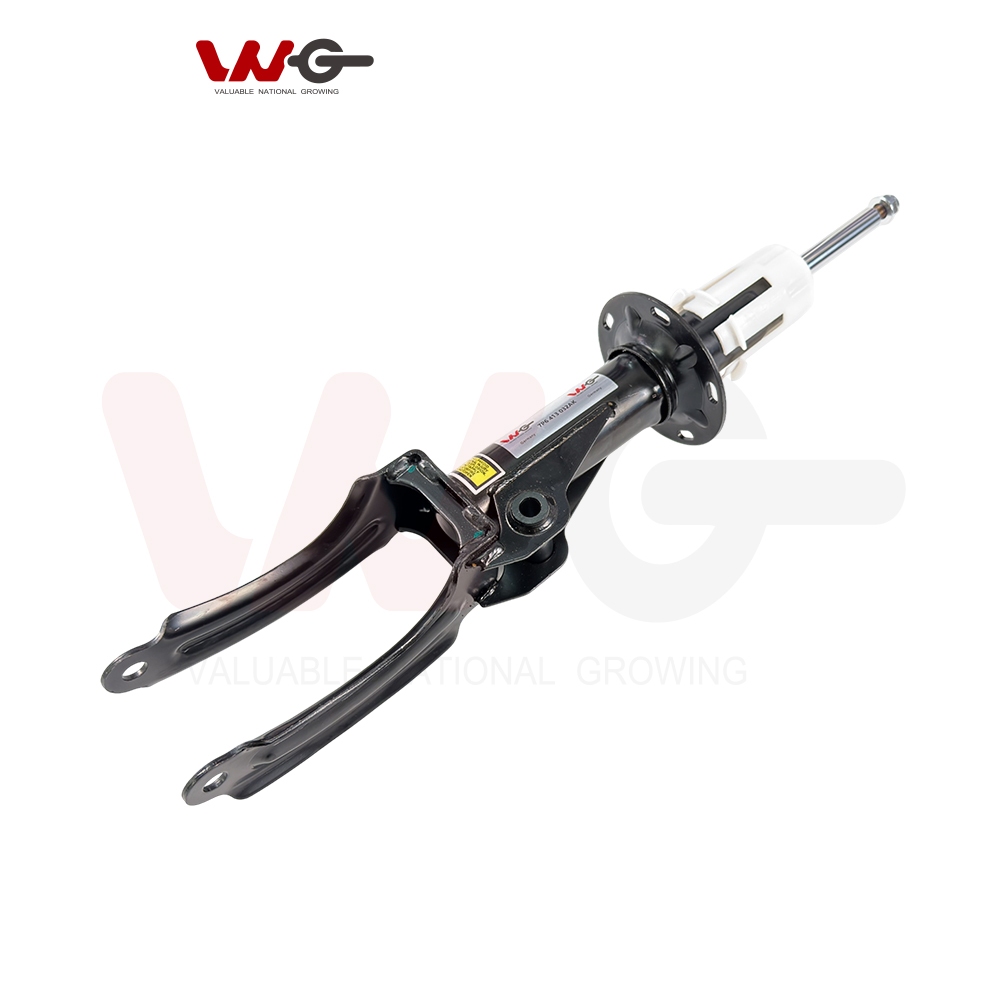
The valve block serves as the air distribution control unit within the air suspension system. It sends air from the compressor to each wheel. If your car leans to one side or one corner won’t lift, the valve block may have an internal solenoid valve malfunction.
Professional Air Suspension Troubleshooting Techniques
The Soapy Water Leak Test
Before you buy replacement air suspension parts, try a simple test. Mix some dish soap with water and spray it on the air springs and VNG valve block. If you see bubbles, you have found a leak. This trick is a great way to see if you need a whole new VNG air strut or just a replacement air fitting.
Checking Height Sensors and Calibration
Sometimes the mechanical components are functioning correctly, but the sensors are wrong. Look at the sensor links to see if they are bent or rusty. If a sensor sends an inaccurate ride height signal, the car will sit at an “abnormal height.” After you install any VNG parts, you must calibrate the system. The suspension control module must be recalibrated so the ride height sensors can accurately recognize the vehicle’s reference ride height.
Why Choose VNG OEM Quality Components
Superior German Standards
We have been a leader in air suspension manufacturing in China since 2008. We follow ISO9001 and IATF 16949 rules to make sure every VNG part is as good as the original. By using German technology and top-grade materials, we ensure our VNG air suspension compressors and valves fit your luxury car perfectly.
Global Reliability and Support
VNG is committed to providing OEM-quality air suspension parts backed by strict quality control and professional technical support. Our products are manufactured to meet international quality standards and are supplied to customers worldwide. Whether you are a distributor, wholesaler, or repair shop, we offer reliable products, responsive service, and comprehensive air suspension solutions to support your business.
Conclusion
Finding the real cause of a suspension problem is the most vital part of the repair. If you watch for sagging or loud compressor noises, you can avoid wasting money on the wrong parts. At VNG, we want to give car owners and pros the best OE-quality parts to fix these issues for good. With our large workshop and huge warehouse, we are a top name in the global market. Choose VNG for your next repair to get the best quality and reliability.
Contact the VNG team today to see our full list of air suspension parts and join our global network!
FAQ
Q: How do I know which air suspension part is bad?
A: Look at how the vehicle behaves. If only one corner is low, that VNG air spring probably has a leak. If the whole car is down and the air suspension compressor fails to operate, check the VNG compressor.
Q: Is it safe to drive with a failing air suspension?
A: It is not a good idea. A bad suspension reduces handling stability and makes it take longer to stop. It also accelerates uneven tire wear. Plus, a leak will make your VNG compressor run too much, which will eventually break the pump and cost you more money.
Q: Why is my air suspension compressor so loud?
A: Noise usually means the pump is vibrating or wearing out inside. If the rubber mounts are old, the noise gets louder. A loud pump is often a sign that it will fail soon, especially if it has been working too hard to fill a leaking VNG air spring.