
An air suspension compressor should not run continuously under normal conditions. If it keeps operating after the vehicle reaches the correct ride height, the system may have an air leak, sensor fault, valve block problem, or compressor issue. Identifying the cause early can help prevent unnecessary compressor wear.
As a manufacturer and supplier specializing in air suspension components, we at VNG understand how a malfunctioning suspension frustrates repair shops and owners alike. VNG develops air suspension components using German technology and German-standard manufacturing processes. In this article, we dissect the reasons behind an air suspension compressor running constantly, explain why treating only symptoms is a mistake, and show you how to fix an air suspension compressor that keeps running.
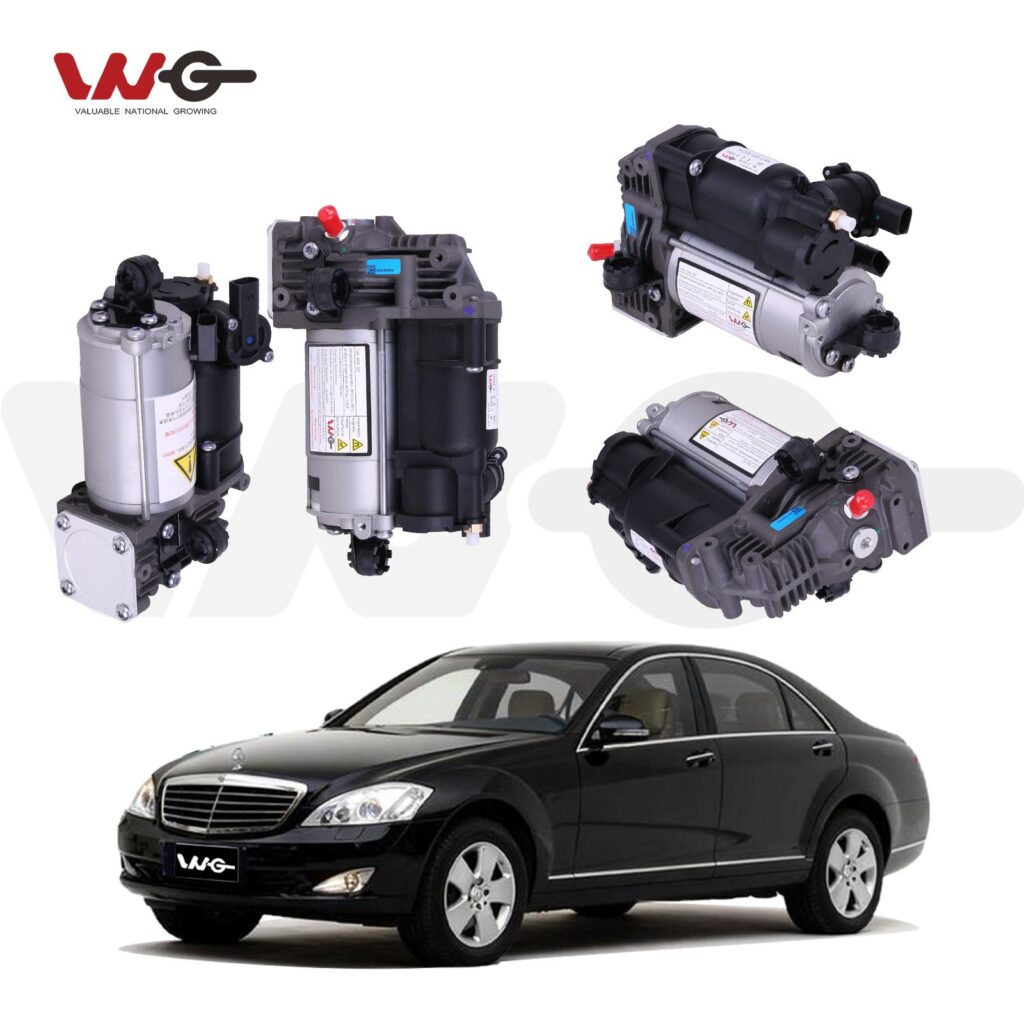
Understanding the Constant Running Problem
What Constant Running Means
In a healthy system, the air suspension compressor runs intermittently. It pumps air into the reservoir and air springs to maintain ride height. Once reached, it shuts off. When an air suspension compressor runs continuously, the suspension control module may be requesting additional air because the system cannot reach or maintain the specified ride height or pressure.
Why Quick Action Is Critical
An air suspension compressor that won’t shut off can lead to premature compressor failure and additional repair costs. Excessive compressor duty cycles can cause thermal overload, accelerate wear of internal components, and eventually lead to compressor or electrical-system failure. Swift action when your air suspension compressor runs too long saves you from expensive secondary repairs.
Primary Causes of a Constantly Running Compressor
Air Suspension Leaks in Air Springs
The most common answer to what causes an air suspension compressor to run constantly is an air leak. Over time, rubber bellows of air springs crack or dry rot.
Malfunctioning Air Valve Blocks
Another common culprit is a faulty air valve block. A malfunctioning valve block can develop internal or external leakage, or a solenoid valve may fail to open or close correctly. This can cause incorrect air distribution, pressure loss, or difficulty achieving the commanded ride height. This forces the compressor to run continuously to achieve proper system pressure.
Air Suspension Compressor Not Building Pressure
Sometimes, air suspension compressor problems stem from the unit itself being worn out. With prolonged use, internal wear of components such as the piston, seals, cylinder, or valves can reduce the compressor’s ability to generate sufficient pressure. When this happens, you get an air suspension compressor that is not building pressure efficiently. The compressor will operate continuously without achieving the required system pressure or ride height. The compressor may continue operating while the suspension fails to achieve the specified ride height.
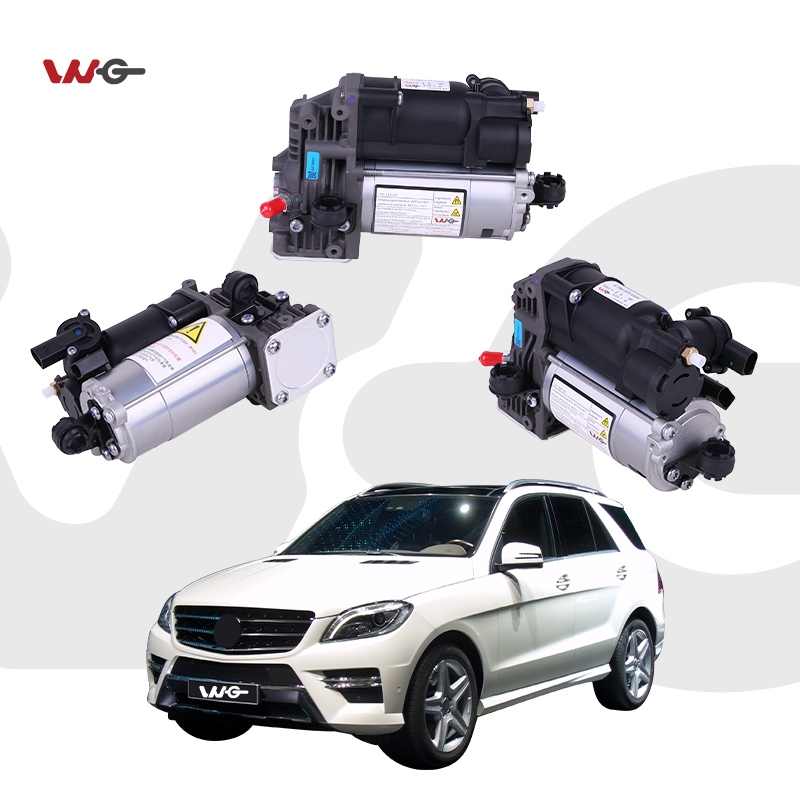
How to Diagnose Your Air Suspension Problems
Soap Water Leak Detection Method
If you want to understand how to diagnose air suspension compressor problems, you should begin with the simple soapy water technique. First, spray a mixture of soap and water onto the air springs and air-line fittings. You must also cover the valve block connections and any other spots where you suspect a leak might exist. If you see bubbles starting to grow, then you have successfully found the source of the trouble. Be sure to inspect the folds of the rubber bellows carefully, as tiny micro-cracks frequently hide in those specific spots.
Segment Isolation Testing
If a leak cannot be located visually, a segment isolation test can help determine whether the leak is in the air spring circuit or the supply-line and valve-block circuit. This can narrow the diagnosis before replacing components.
Scanning for System Fault Codes
Modern luxury vehicles are equipped with complex onboard diagnostics. Use a vehicle-specific diagnostic scan tool capable of accessing the air suspension or chassis control module. Depending on the vehicle, the system may store manufacturer-specific DTCs related to compressor operation, pressure, height sensors, valve control, or system performance. This allows you to understand exactly why your air suspension compressor keeps running before replacing any components.
What Air Suspension Parts Should You Replace
Premium VNG Air Suspension Compressors
If diagnostic testing confirms that the compressor cannot generate or maintain the required pressure, replacement may be necessary. Selecting a compressor with correct OE fitment, pressure performance, electrical compatibility, and appropriate quality testing is essential. VNG develops and manufactures air suspension compressors using German technology and manufacturing processes aligned with automotive quality standards. VNG compressors undergo performance and durability testing, with selected products subjected to flow, pressure, and thermal validation to verify reliable system operation.
Durable VNG Air Springs
Never overlook air spring condition. To prevent a new compressor from burning out, replace worn bellows with durable VNG air springs. Selected VNG air suspension components undergo fatigue testing of up to 5 million cycles. VNG maintains an outgoing defect rate of less than 1% across its product quality program.
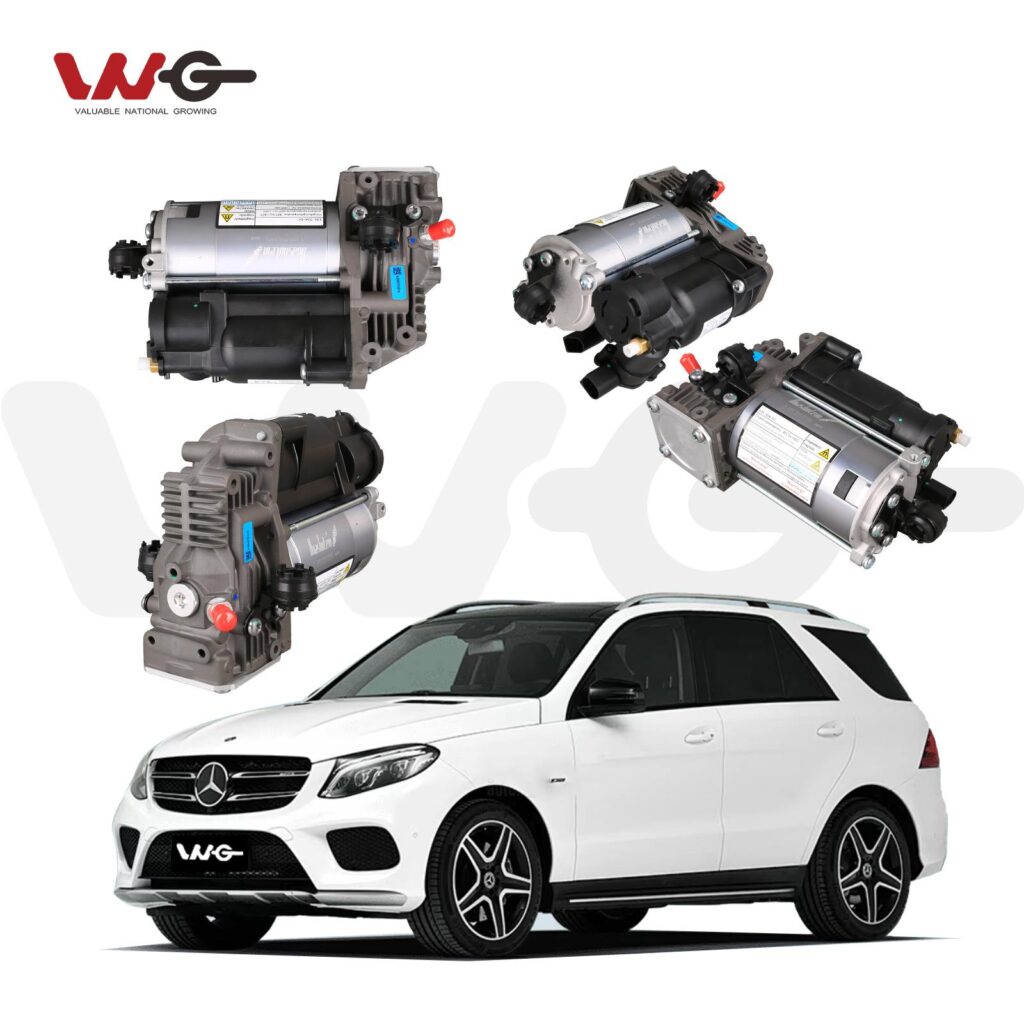
Reliable VNG Air Valve Blocks
To complete a comprehensive, long-lasting repair, consider updating your air valve block. A properly functioning valve block provides controlled air distribution and helps maintain pressure within the individual suspension circuits. Replacing the faulty components with properly matched compressor, air springs, and valve blocks can help restore reliable system operation when those components are confirmed to be defective.
Conclusion
An air suspension compressor running constantly is a critical sign that your vehicle’s suspension is fighting leaks or component failures. A comprehensive diagnosis helps identify the underlying fault and reduce unnecessary parts replacement and repair costs. VNG has specialized in air suspension components since 2008. For repair shops or global distributors, our OE-quality products and extensive stock are ready to support your business.
Explore our full range of solutions at VNG Products and experience our German-standard manufacturing and testing practices.
FAQ
Q: Why is my air suspension compressor running constantly?
A: An air suspension compressor keeps running primarily due to a persistent air leak in the air springs or line fittings, a faulty air valve block, or a severely worn compressor that is no longer capable of building sufficient pressure.
Q: Can a bad valve block cause the air suspension compressor to keep running?
A: Yes. A failing or leaking air valve block can restrict proper air distribution or allow air to leak backward. This forces the compressor to work continuously to maintain the required pressure across the system’s air springs.
Q: Can I drive with an air suspension compressor running constantly?
A: Driving with a compressor that runs continuously is not recommended. Excessive compressor operation can cause overheating and accelerate wear. If the vehicle is sitting abnormally low, handling is affected, or the compressor is running continuously, have the air suspension system diagnosed as soon as possible.