Tesla Model S Air Suspension Parts: A B2B Fitment Guide
Correct Tesla Model S air suspension parts are selected by matching more than the model name. Production year, position, drive layout, ADS status, OE reference, mounting form, and electrical connection all matter. Recording those fields before choosing an air suspension unit, compressor, or valve block reduces wrong-part decisions.
What Tesla Model S Air Suspension Parts Need Matching
The Model S system combines corner components with shared air-supply and distribution hardware. A vehicle that sits low can have a leak at one air suspension unit, a line or fitting issue, a distribution problem, or insufficient air supply. A useful parts decision begins by identifying which function is not being performed, then matching the related component to the vehicle.
Air Suspension Units and Dampers
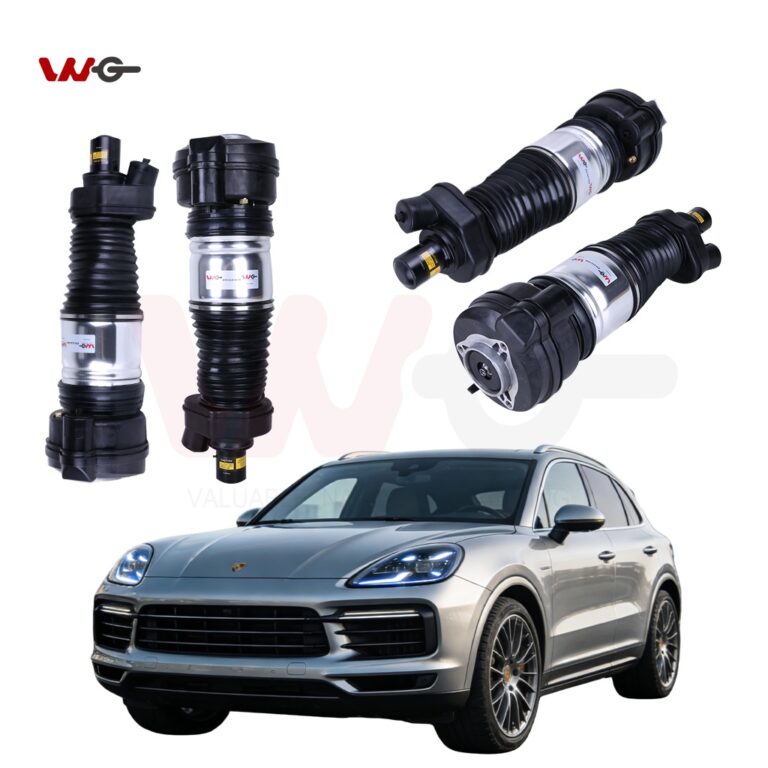
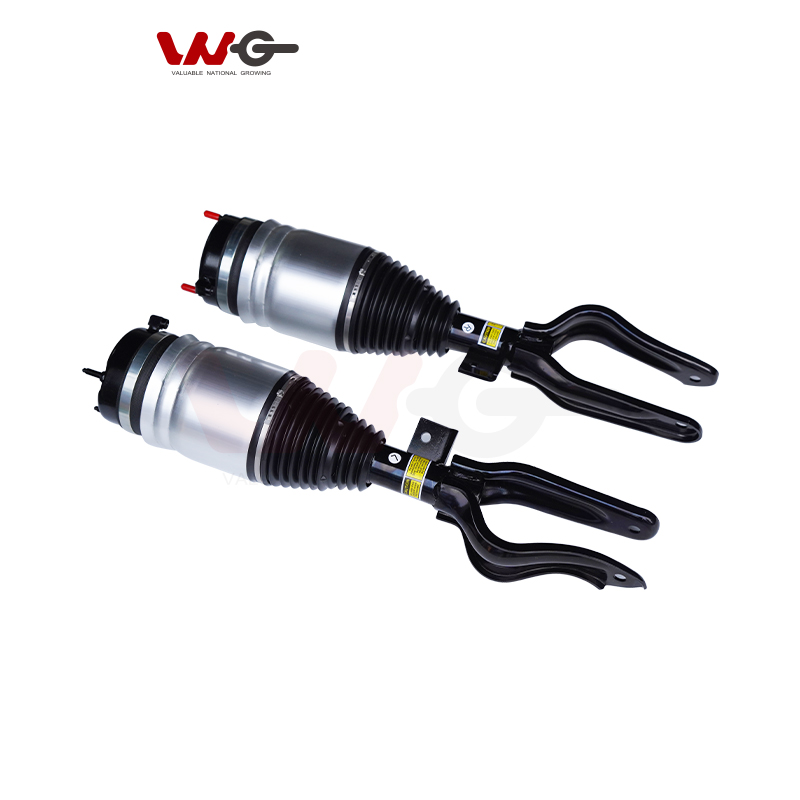
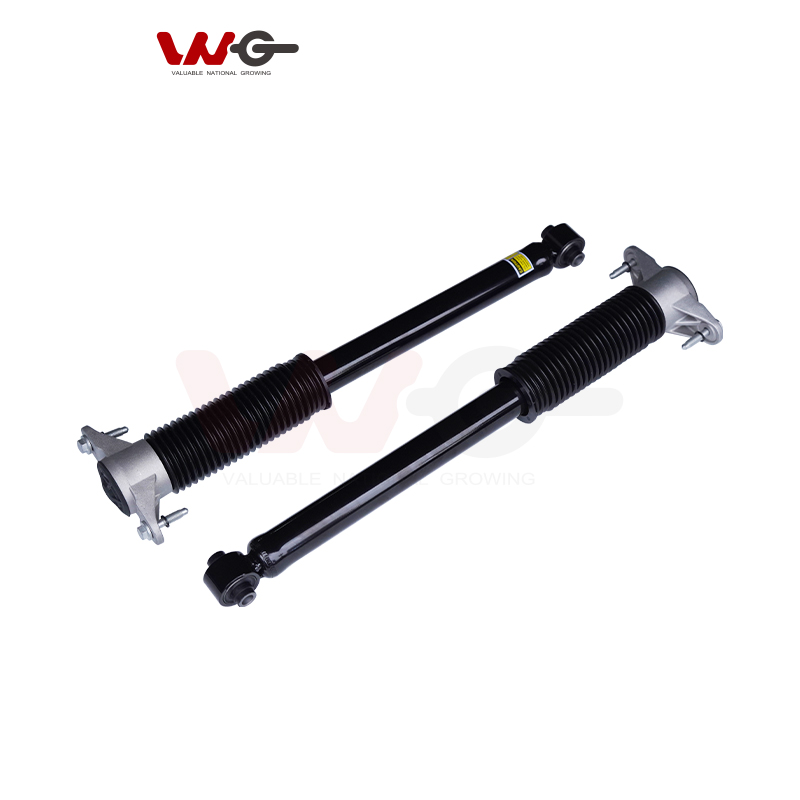
An air suspension unit supports the corner through its air spring while the internal damper controls suspension motion. Because the two functions are packaged together, a replacement must match its axle position, mounting arrangement, air connection, and damping configuration. Front and rear units are not interchangeable, and left/right distinctions should be preserved whenever the application specifies them.
VNG lists Tesla Model S air suspension parts for defined applications rather than one universal Model S air suspension unit. That distinction is important: the range includes different front and rear configurations associated with specific production periods and suspension variants. The existing component and OE reference remain essential comparison points.
Air Suspension Compressors
The compressor supplies pressurized air so the system can raise and level the vehicle. Slow lifting or frequent compressor operation may point toward weak air generation, but it can also be the result of a leak that makes a healthy compressor work too often. Testing the pneumatic circuit before replacing the unit protects the new component from the same workload.
Application data for air suspension compressors should include the connector, bracket, hose connection, production range, and OE reference. A compressor that resembles the removed unit is not automatically compatible. Small differences in mounting or electrical interfaces can stop an otherwise plausible match.
Valve Blocks and Air Distribution Components
The valve block routes air between the compressor, reservoir circuit, and individual suspension corners. Internal leakage or a control problem can produce uneven height or delayed correction that resembles a leaking air suspension unit. Before selecting a valve block, technicians should compare ports, connectors, mounting points, and the fault pattern across more than one corner.
Why Model Year and Suspension Variant Matter
Earlier and Later Model S Applications
VNG’s Model S range shows why a broad year label is risky. Its application listings include front and rear non-ADS configurations tied to different production ranges, including 2012–2016 and 2016–2021 coverage. Those ranges should be treated as application boundaries to verify, not as evidence that every vehicle built within them uses the same hardware.
A production change can alter the lower mount, electrical lead, top interface, or related OE reference. The safest catalog record therefore combines the year range with a photograph or description of the removed unit. If the two disagree, the vehicle-specific evidence should be resolved before a part is assigned.
2WD, 4WD, and ADS Differences
Drive layout affects suspension packaging, especially at the front axle. VNG identifies separate Model S front applications for 2WD and 4WD vehicles in its range, so “front Model S air suspension unit” is not a complete fitment description. Recording drive layout prevents a broad model search from hiding an important mechanical difference.
ADS status adds another layer. A non-ADS part should remain in a non-ADS application unless the vehicle and product data explicitly support something else. The presence, shape, and routing of an electronic damping connector are practical checks, but they belong beside the OE reference and suspension configuration rather than standing alone.
Matching Symptoms to Components Without Guesswork
Sagging After Parking
A vehicle that drops at one corner after sitting usually directs attention toward local air loss, but the visible low corner is only the starting point. The air sleeve, seals, line connection, and fittings should be checked, while system behavior at the other corners helps distinguish a local leak from a distribution issue. Replacing the compressor alone would not correct an unresolved leak.
Slow Lifting or Frequent Compressor Operation
Slow height recovery can result from weak air delivery, restricted flow, repeated leakage, or a control problem. Frequent compressor cycling is especially important because it describes workload, not the cause of that workload. A sound diagnosis checks for air loss and distribution faults before deciding that the compressor itself is the failed part.
Suspension Warnings and Uneven Ride Height
A warning message can accompany pneumatic, electrical, or control-system faults, so it should not be translated directly into a component order. Uneven height offers useful location information, while connector condition and scan results can help separate a damping interface issue from an air-pressure problem. The parts record should capture both the symptom and the confirmed configuration.
Building an Accurate Tesla Model S Fitment Record
Record OE Reference, Position, and Production Year
Begin with the OE number from the existing component, then add production year and exact corner position. VNG application examples include Model S 2WD front non-ADS coverage for 2012–2016 under OE reference 6006351-04-C, and 4WD front non-ADS coverage for the same stated period under 1030608-01-A. These are distinct records, not substitutes for one another.
Separate Model S and Model X Applications
Some shared-system parts may be described for more than one Tesla vehicle line, but that does not make every suspension component cross-compatible. Keep Model S and Model X records separate unless the exact product application and OE reference support both. This prevents a shared compressor listing from being generalized to unrelated air suspension units or mounting hardware.
Verify Connections Before Treating Parts as Interchangeable
Compare electrical plugs, air ports, brackets, and mounting forks before treating two parts as equivalents. Photos taken straight-on at the connector and lower mount are more useful than an overall product image alone. VNG’s air suspension units should be filtered through those checks whenever the vehicle history or removed part is unclear.
How VNG Fits the Repair Scenario
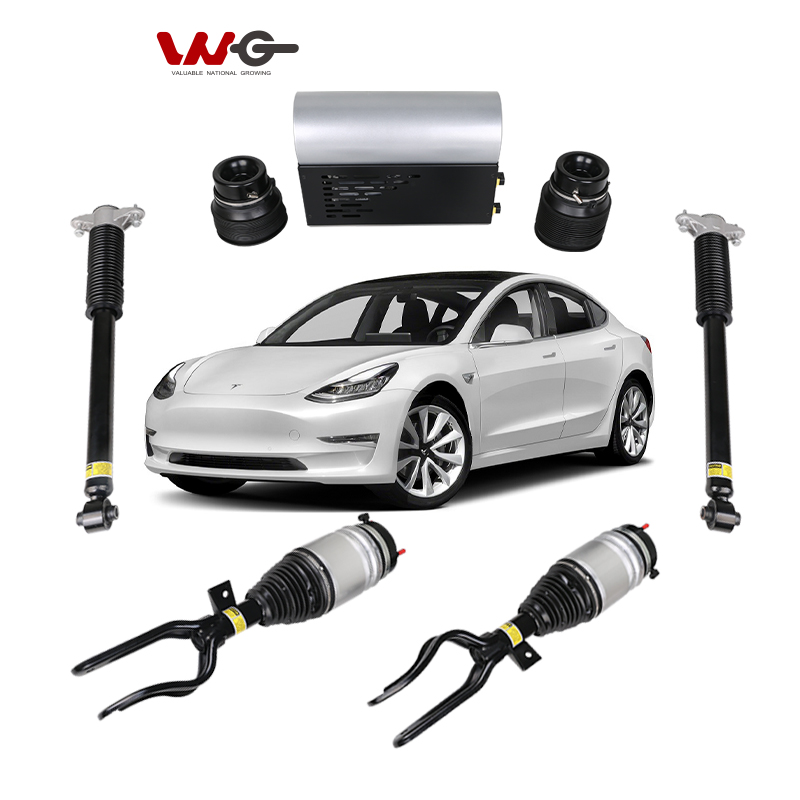
VNG covers the main component groups involved in a Model S air suspension diagnosis: air suspension units, air springs and repair kits, compressors, valve blocks, and shock absorbers. That range supports a function-first approach, where the low corner, air-supply behavior, distribution pattern, and damping interface are considered before the replacement category is chosen.
Choosing Tesla Model S Air Suspension Parts with Fewer Fitment Errors
Tesla Model S air suspension parts should be chosen through a layered match, not a model-name search. Start with the failed function, then confirm production year, position, drive layout, ADS status, OE reference, mounts, ports, and electrical connections. That process is slower than judging a photograph, but faster than correcting an avoidable fitment mistake.
For distributors and repair networks using VNG, the same fields can structure catalog notes, technical conversations, and stock records. The result is a clearer link between the reported symptom, the actual vehicle configuration, and the component intended to restore the system.
Frequently Asked Questions
Q: Do all Tesla Model S years use the same air suspension parts?
A: No. VNG application listings show different Model S components across production ranges, positions, drive layouts, and suspension configurations. Even within the same stated years, a 2WD front unit and a 4WD front unit can be separate records. Confirm the existing OE reference, mount, connector, and exact vehicle configuration before selection.
Q: How do I identify ADS and non-ADS on a Model S?
A: Review the vehicle equipment information and inspect the removed unit for an electronic damping connection. Then compare that evidence with the product application and OE reference. A connector is a useful visual clue, but a complete match also includes production year, axle position, side, and drive layout.
Q: Can one air suspension compressor fit both Model S and Model X?
A: Some compressor applications may cover both vehicle lines, but compatibility must be confirmed by the exact product listing and OE reference. Shared vehicle names on one compressor do not imply that other suspension parts interchange. Check the bracket, electrical plug, hose connection, and production range before treating a unit as common.
Q: What commonly causes a Model S to sag after parking?
A: A low corner often suggests air escaping through the air spring, seals, line connection, or fittings, while a distribution fault can create a similar pattern. The rate and location of height loss help narrow the search. The pneumatic circuit should be checked before a compressor or air suspension unit is selected solely from the symptom.
Q: What catalog data should be verified for a Model S air suspension unit?
A: Verify production year, front or rear position, left or right side where specified, 2WD or 4WD layout, ADS status, and OE cross-reference. Also compare the lower mount, top interface, air port, and electrical connector. Those fields create a much stronger fitment record than the vehicle model alone.